Need trustworthy tree service technicians in Sarasota? Opt for ISA Certified Arborists who observe ANSI A300/Z133, execute job hazard analyses, and use precision rigging to protect structures and utilities. Validate Florida DBPR and Sarasota licenses, mandatory permits, and insurance with $1-2M liability and workers' comp sent straight from the copyright. Look for precise pruning, controlled removals, stump grinding, and 24/7 storm response with documented safety metrics. You'll find how proactive care lowers risk, costs, and liability over time.
Important Points
- Check for ISA Certified Arborist on staff and Florida DBPR plus Sarasota county/city licenses under the exact business name.
- Require insurance certificates delivered directly from the copyright, with $1M-2M liability, workers' comp, and commercial auto coverage.
- Maintain adherence to ANSI A300/Z133 with written safety protocols, PPE, job hazard evaluations, and stop-work authority.
- Look for proven pruning/removal methods: controlled rigging, protected drop zones, stump grinding, and round-the-clock storm assistance.
- Expect clear, written estimates and maintenance plans with photos, timelines, permitting, and post-work reports for due diligence.
What Distinguishes Sarasota's Top Tree Professionals Apart
Although several businesses can cut or remove a tree, Sarasota's top professionals separate themselves with accredited expertise, strict safety protocols, and customized planning. You get certified ISA arborists who perform formal risk assessments, reference ANSI standards A300 and Z133 standards, and document load paths prior to any rigging. They evaluate soil profiles, rooting depth, utilities, and wind exposure to preserve the urban canopy and your structures.
You'll find meticulous client communication: clear scopes, hazard ratings, and timelines, plus photos and GIS-based maps to communicate decisions. Crews use certified equipment, drop zones, and tag-out procedures, and they place cribbing to minimize turf and hardscape damage. They verify permits, wildlife factors, and best management practices for stormwater. Post-work reports detail findings, delivering maintenance intervals that reduce risk and protect long-term canopy function.
Vital Services: Pruning Services, Tree Removals, and Emergency Support
Concentrate on the essentials: precise pruning, safe removals, and quick emergency response. You protect property and tree vitality by pruning with purpose-removing crossing, diseased, and weakly attached limbs while preserving live crown ratio. In Sarasota's climate, you schedule structural cuts to the dry season to minimize pathogen pressure; seasonal timing also minimizes storm breakage by increasing canopy airflow. You request ANSI A300 pruning to preserve branch collars and reduce decay.
For removals, you select controlled rigging, load calculations, and drop zones that secure utilities and structures. Stump grinding and backfill serve to avoid pests and protect root health of surrounding trees by reducing soil compaction.
In storm situations, you rely on 24/7 crews for hazard mitigation–anchoring hangers, clearing conductors with utility coordination, and securing damaged root plates.
Important Qualifications: Proper Licensing, Insurance Coverage, and Certifications
Prior to hiring a Sarasota tree service, you should validate proper licensing through Florida DBPR records and local permits to ensure legal compliance and competency. Secure proof of current general liability and workers' compensation insurance, then validate coverage with the insurer to shield you from property damage and injury claims. Prioritize firms with recognized certifications (such as, ISA Certified Arborist), which are associated with safer practices and evidence-based tree care.
Proper Licensing Confirmation
A licensing check should be triggered even for a quick price quote, as verified credentials shield you against legal, financial, and safety risks. In Sarasota, require a current city or county tree service license tied to the exact business name and qualifier. Conduct a license lookup through Florida DBPR and local Sarasota County records; validate active status, scope of work, and any discipline history. Match the qualifier's ID with the proposal and vehicle markings.
Confirm permit confirmation for scheduled removals or pruning within protected zones; the contractor should secure permits, not you. Examine contractor background: years licensed, complaint resolutions, and citation resolution. Request documentation verification that the crew performs under the licensed entity, not a labor broker. Store dated screenshots and copies; document mismatches and walk away.
Coverage for Insurance and Safety
Once you've verified licensing, turn to insurance and safety coverage, as this is what protects you from liability when things go wrong. Obtain a current certificate of insurance sent directly from the copyright. Validate general liability (arborist services, not landscaping), workers' compensation for all field staff, and commercial auto. Verify insurance limits sufficient for canopy work near homes and utilities, usually $1-2 million per occurrence.
Demand written safety programs compliant with ANSI Z133 and OSHA standards. Validate pre-job hazard assessments, PPE requirements, lockout/tagout for chippers, and qualified rigging practices. Ask about third-party safety audits, incident rates (TRIR, DART), and documented training for aerial lift and chainsaw operations. Make sure they perform utility locates and establish drop zones. Don't proceed without verified coverage and current safety records.
Safety, Tools, and Best Practices on All Jobs
Even though every tree looks different, the fundamentals stay the same: safety drives each decision, and the right equipment makes the work manageable and safe. You start with a job hazard analysis: identify energized conductors, decay, weak unions, and strike zones, then establish drop zones and communication protocols. Use ANSI Z133 guidelines for climbing techniques, tie-in points, and rescue readiness. You select gear based on task: friction savers to protect cambium, rated ropes, mechanical ascenders, and lanyards with proper fall-arrest factors. Chainsaws get chain brakes inspected, depth gauges set, and bar nuts torqued. You stage wedges, rigging blocks, slings, and port-a-wraps to control loads and swing angles. Apply hazard recognition continuously, adjust cut plans, and stop work when conditions exceed safe limits.
How to Vet and Compare Local Tree Service Providers
Before engaging a crew, confirm the basics that correlate with safety and quality. Ensure an active Florida contractor license, proof of workers' compensation and general liability insurance, and ISA Certified Arborist credentials. Request a written scope, ANSI A300 compliance, and a site-specific risk assessment plan.
Assess neighborhood reviews for patterns: punctuality, cleanup, damage incidents, and resolution of complaints. Obtain recent local references and verify equipment suitability for your trees and access constraints. Request a detailed, line-item estimate to enable cost comparisons—including mobilization, pruning or removal methods, debris handling, stump grinding, and utility coordination.
Examine response time, communication clarity, and emergency responsiveness. Don't accept upfront cash demands; use written change orders. Opt for providers with formal training records, calibrated equipment, and documented safety meetings.
Long-Term Benefits of Proactive Tree Care for Properties and Businesses
Preventive tree care minimizes lifecycle costs by avoiding structural defects, disease spread, and storm-related failures, which reduces emergency removals and repairs. You improve site safety by upholding proper clearances, pruning weak attachments, and monitoring root health, decreasing strike and trip hazards per ANSI A300 best practices. Ongoing maintenance also supports curb appeal and appraised value by maintaining healthy canopies and safeguarding buildings, utilities, and hardscapes.
Preventive Maintenance Cost Savings
Invest in routine tree inspections, pruning, and soil care to minimize costly risks before they escalate. You'll spend less on emergency removals, storm cleanup, and property repairs when you organize preventive maintenance. Schedule seasonal inspections to detect structural defects, pest pressures, and nutrient deficiencies early. Strategic pruning reduces wind sail, removes deadwood, and protects service lines, decreasing failure probability. Root zone mulching stabilizes soil moisture, buffers temperature, and improves nutrient cycling, which strengthens root systems and reduces drought stress.
Adjust irrigation to canopy size and soil texture, avoiding root rot and subsidence. Apply specific fertilization according to soil tests, not guesswork, to prevent waste. Document each visit with photographs and risk ratings; you can organize interventions by chance and outcome, guaranteeing predictable budgets and measurable savings.
Enhanced Protection and Value
Through proactive tree maintenance, you lower incident rates and safeguard property value simultaneously. You minimize wind-throw, limb failure, and pest spread by arranging seasonal inspections, pruning to ANSI A300 standards, and fixing structural defects early. You also protect hardscapes and utilities by monitoring root health, installing root barriers as required, and aerating compacted soils to improve oxygen diffusion and stability.
For business operations, documented care plans decrease liability exposure and demonstrate due diligence. For residences, canopy management enhances roof clearance, gutter performance, and defensible space, lowering insurance risk. Species-appropriate fertilization and watering regimes enhance vigor, while decay detection (sonic tomography or resistograph) guides targeted removals before hazards escalate. Proactive care sustains curb appeal, supports predictable budgeting, and secures long-term asset performance.
Questions and Answers
How Soon Should I Make Reservations During Hurricane Season?
Schedule 4-6 weeks beforehand to secure prime schedule timing during hurricane season. You'll get inspections, pruning, and hazard mitigation finished before resources tighten. For storm preparedness, emphasize deadwood removal, canopy thinning to decrease sail effect, and clearance from structures and lines. Watch NHC outlooks; if a tropical system forms, transition to a 1-2 week window with triage tasks. Ensure ISA-certified arborists, insurance, and written scopes. Don't delay until watches; capacity drops rapidly.
Do You Provide Tree Health Monitoring Subscription Services?
Indeed-we provide tree health monitoring subscriptions. Think of your canopy like a living blueprint we interpret season by season. You get quarterly seasonal inspections, canopy mapping with drone and ground LiDAR where permitted, soil nutrient assays, pest/disease scouting, and pruning risk assessments per ISA standards. We document baseline metrics, set thresholds, and alert click here you when indicators trend unsafe. You'll receive comprehensive reports, photos, and action plans to lower failure risk and extend lifespan using evidence-based arboriculture.
Can You Work Around HOA Rules and Approvals?
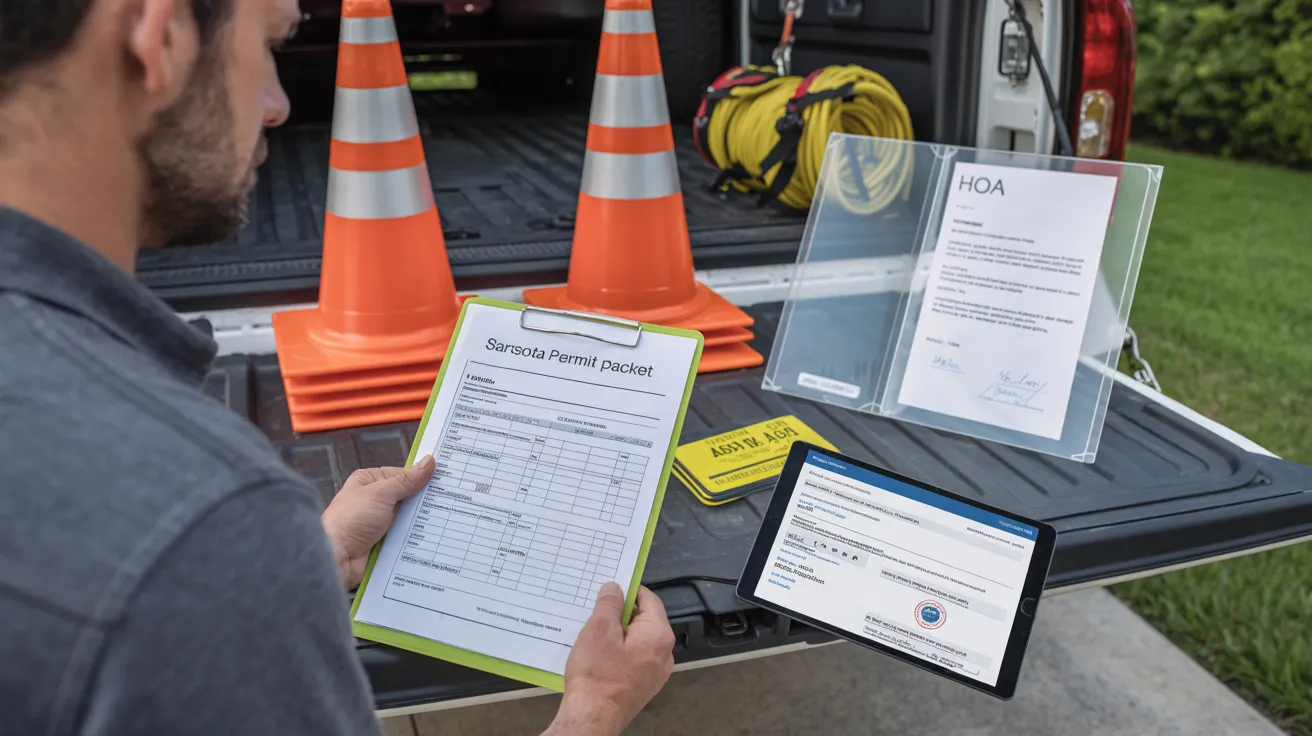
Certainly. You can count on total HOA coordination and permit navigation from start to finish. You'll be provided with a property assessment, scope drafting with ANSI A300/OSHA compliance, and photo-marked plans for board review. We'll handle arborist letters, utility locates, and species-specific justifications to comply with bylaws. You sign off on the schedule after HOA approval. We enforce traffic/pedestrian controls, debris containment, and documented chain-of-custody for removals, reducing violations, fines, and liability.
What Financing Options or Payment Plans Are Offered?
We offer Customizable financing with 0 to 12 month same-as-cash alternatives, reduced-APR installments, or phase-completion payment schedules based on completed phases. We also offer Season-based plans that divide costs over reliable monthly payments synchronized with pruning cycles and storm-readiness windows. We provide transparent estimates, no prepayment penalties, and itemized scopes to lower risk. We accept all major cards, ACH, and invoicing. We'll process credit securely and tailor terms to your individual project's safety and compliance requirements.
What Steps Do You Take to Minimize Disruption to Wildlife Habitats?
Disruption is minimized by timing work beyond nesting seasons, performing pre-work wildlife surveys, and flagging wildlife corridors to protect movement paths. You utilize directional felling, low-impact equipment, and spotter protocols to shield active nests and dens. You retain snags when safe, stage debris to circumvent sensitive areas, and deploy soil protection mats. Post-work, you secure soils, incorporate native plantings to rebuild structure and forage, and observe outcomes, adapting methods according to regulatory and ecological guidance.
Closing Remarks
You could assume any landscaper can handle trees, but you're protecting heavy canopy loads, high-voltage lines, and root systems affecting structures. Opt for Sarasota pros with ISA certification, verifiable insurance, and ANSI Z133 safety compliance. You'll get precise pruning, safe removals, and rapid storm response that reduce failure risk and liability. Evaluate written estimates, equipment lists, and references. Routine care expenses are lower than emergency repairs, enhances tree health, and boosts property value while keeping your family, customers, and utilities safe.